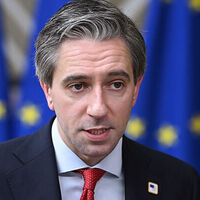


DUBLIN, Ireland: Taoiseach Micheál Martin has said that people who use the tricolour to claim they "alone represent Irishness" are "dishonouring our national flag."
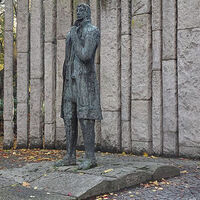
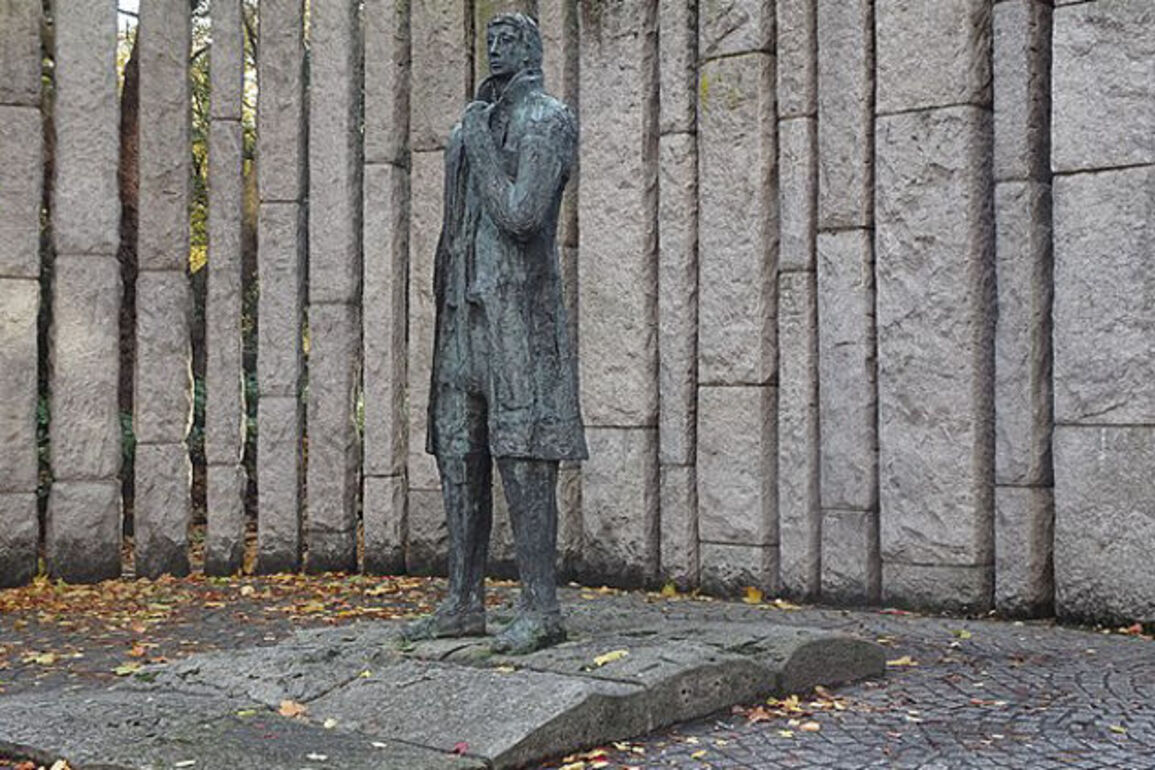
He made the remarks while delivering a rain-soaked speech at Bodenstown Graveyard during Fianna Fáil's annual commemoration of Theobald Wolfe Tone, the 18th-century Irish revolutionary. Wolfe Tone, who led a French military force to Ireland during the 1798 Rebellion, has long been honoured as one of the founding figures of Irish republicanism.
Standing beside Tone's grave, the Taoiseach said the revolutionary was celebrated by the "generation of idealists" who "gave us our national flag." He described the flag as a symbol of unity and inclusion — values that, he said, are betrayed when it is used to divide.
The Taoiseach said that those who "try and claim that there is a fixed national identity" fail to understand Irish history. He argued that Ireland's strength lies in its adaptability and openness. "Our identity has survived because we have been willing to evolve and be more inclusive," he said, stressing that the tricolour represents peace and equality between all communities on the island.
His comments come amid a noticeable increase in the number of Irish flags being attached to lampposts, railings, and street signs across the country in recent months. Many have been put up by community and local groups as expressions of national pride. However, others have criticised the practice, arguing that in some cases the flag is being used in a way that intimidates people from migrant or minority backgrounds.
The debate over the flag's use has become part of a broader discussion about identity and belonging in modern Ireland. Some see the public display of the tricolour as a celebration of heritage and patriotism, while others worry that it has been co-opted by groups seeking to exclude those they consider outsiders.
Similar controversies have emerged in the United Kingdom, where a campaign called Operation Raise the Colours encouraged the public display of Union and St George's flags in towns and cities. That initiative also drew criticism, with some residents arguing that what began as an expression of national pride had been turned into a divisive statement of political allegiance.
In Ireland, the Taoiseach's remarks were widely interpreted as a call for reflection on what the tricolour truly represents. The flag's green, white, and orange colours were originally intended to symbolize unity between different traditions — green for the nationalist community, orange for the unionist tradition, and white for peace between them.
By invoking Wolfe Tone, who sought to unite Irish people of all religious and political backgrounds, the Taoiseach linked his message to a broader vision of an inclusive national identity. He warned against narrowing the meaning of Irishness to a single group or ideology, saying such actions "betray the ideals" of those who fought for Ireland's freedom.
As rain fell on the gathering in Bodenstown, the Taoiseach concluded by urging people to "honour the flag not by claiming it for ourselves, but by ensuring it belongs to everyone."