

What is the Women, Peace, and Security agenda?
On October 31, 2000, the United Nations Security Council (UNSC) unanimously adopted resolution 1325. After years of advocacy, this marked the launch of what’s known as the Women, Peace and Security (WPS) agenda.
In simple terms: Global leaders committed to a new way of looking at conflict and peace, beyond the warring parties and traditional powerbrokers – both dominated by men, even today. Resolution 1325:
- Acknowledges that women and girls are harmed by conflict in ways that are distinct, horrific and must be stopped Establishes that women’s meaningful participation in peace processes is essential to preventing, ending and recovering from conflict
After all, how can there be anything close to true peace, if the needs and insights of half of the population are not accounted for? There are now 10 UNSC resolutions on WPS, which are binding for all UN members.
The four pillars of the Women, Peace and Security agenda
These four pillars align gender equality and peace as shared goals – and responsibilities.
Prevention: First, conflict should be avoided or ended whenever possible. Where there is gender equality, conflicts are less likely. And where there is conflict, parties must prevent all forms of violence against women and girls. Protection: The rights and safety of women and girls must be protected. Considerations must be given for the ways in which they are impacted, especially by sexual violence. Participation: All decisions about peace and security, from local councils to the international stage, must include women. With equal and meaningful participation, peace and security processes are more inclusive, and therefore more legitimate and more durable. Relief and recovery: To rebuild after conflict or crisis, women and girls have specific needs. Often, they are primary caretakers for children and elders. Women-led organizations play a vital role here, ensuring safe access to food, water and hygiene products during conflicts, and after the dust settles.Why WPS matters: progress since 2000
As we reflect on 25 years of WPS, it’s clear: When women lead, peace follows.
- Where women and girls are empowered, lasting peace can be achieved. In Colombia, the women peace negotiators that helped end the civil war are now defining transitional justice. Women-led organizations are reaching women and girls in even the most difficult conflict settings. In Afghanistan, Gaza, Sudan, and across the world, they are not giving up. More women are moving to the frontlines. In Ukraine, they’re protecting their communities and one another. Gender parity and quotas are boosting the success of women in peace and security. As more women are putting on security uniforms, they are connecting with communities and maintaining peace in new ways. Meanwhile, military, police and peacekeeping cultures are slowly dropping harmful gender stereotypes and supporting caregivers. Crimes against women and girls are no longer accepted as the price of war. More war crimes against women are being prosecuted, even as challenges to justice remain. Women and girls around the world are calling for peace and disarmament. In Malaysia, young women are campaigning against nuclear weapons.
When peace spreads across society, it can be seen and felt: More women voting in elections; fewer girls being forced into child marriage; more women leading community dialogues.
UN Women and our WPS mandate
Gender equality is more than a possibility. It’s a prerequisite for peace. UN Women was founded to advance gender equality for all women and girls – with WPS at its core.
Among many initiatives, UN Women supports:
- Amplifying the voices of women and girls in crises and fighting for peace, from the Security Council to their own communities Investigating and documenting atrocities committed against women and girls in war Investing in women-led initiatives to build peace and social cohesion post-conflict Working with governments to support policy reforms and bring more women to the security and justice sectors, and all decision-making platforms Funding women’s grassroots organizations, including youth activists Collecting and sharing data, expanding global knowledge on women, peace and security
25 Years of UNSCR 1325: What is next for Women, Peace and Security?
Without action, peace will become even harder to reach. Thankfully, the path forward was laid out, 25 years ago.
Today, 115 countries – and counting – have outlined national action plans with steps they will take to meet the WPS agenda. But too few nations are fully funding these promises.
This year also marks the 30th anniversary of the Beijing Declaration, a global blueprint to achieve gender equality. The Beijing+30 agenda calls for fully financing these national plans, as well as women’s frontline organizations.
We will see progress when we see more women participating in peace processes, and more women receiving relief – from major cities to the most remote villages. We will see progress when nations support WPS not just as policy, but as a growing social movement that reaches across generations.
When women lead, peace follows. But as women speak out: Will world leaders listen?
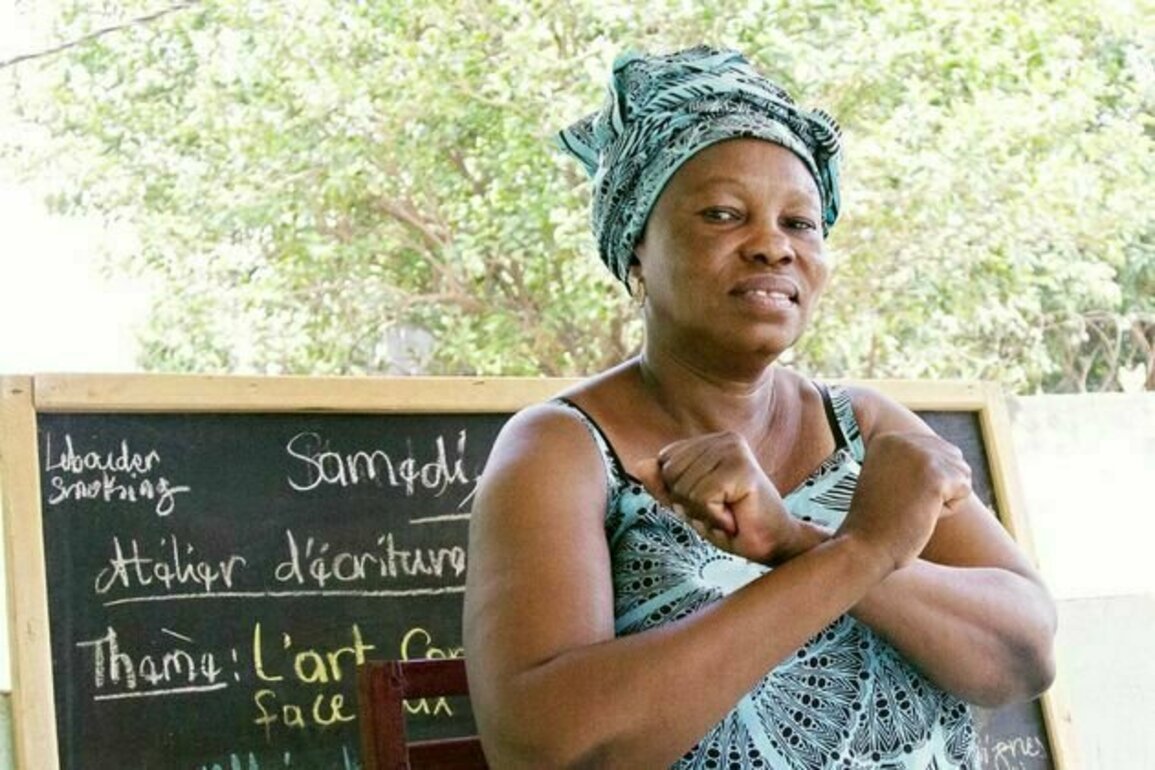
The photos included in this article are part of Photoville’s “Through Her Lens.” The 2025 exhibit was started in collaboration with women photographers living in conflict areas, with the support of UN Women, United Nations Department of Peace Operations and Department of Political and Peacebuilding Affairs, and the Elsie Initiative Fund.