


LONDON, U.K.: The World Health Organization has expanded its list of critical medicines to include a new class of diabetes treatments known as GLP-1 drugs, alongside breakthrough therapies for cystic fibrosis and cancer.
The move, announced this week, will boost global access to medicines that remain out of reach for many patients due to their high cost.
The essential medicines list now features 523 treatments for adults and 374 for children, covering drugs the WHO believes should be available in every functioning health system. Past inclusions, such as HIV drugs in the early 2000s, played a key role in making lifesaving therapies accessible in low- and middle-income countries.
"Rather than letting price be a disqualifying factor, the committee views inclusion in the essential medicines list as a potential catalyst for access," said Dr. Lorenzo Moja, who heads the WHO secretariat overseeing the list.
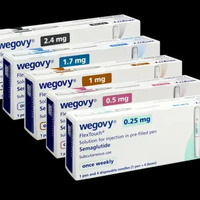
The GLP-1 additions include the active ingredients in Novo Nordisk's Ozempic and Eli Lilly's Mounjaro, recommended for people with type 2 diabetes and coexisting conditions like cardiovascular disease, chronic kidney disease, or obesity. However, the WHO stopped short of adding them for obesity treatment alone, repeating its cautious stance from 2023.
High drug prices remain a significant barrier. "High prices of medicines like semaglutide and tirzepatide are limiting access to these medicines," the WHO said, adding that generic manufacturing could help once patents begin to expire next year.
Novo Nordisk said it was committed to supporting broader access to its therapies, while Eli Lilly noted that generics "may be better candidates to meet patient needs and offer cost savings in lower resource settings." Several companies are already preparing generic versions.
Globally, more than 800 million people were living with diabetes in 2022, while more than 1 billion live with obesity, according to WHO data.
Beyond diabetes, the updated list also includes Vertex Pharmaceuticals' cystic fibrosis drug Trikafta (Kaftrio in some markets) after years of criticism from activists over its high cost and limited availability. Vertex declined to comment.
Merck's blockbuster cancer drug Keytruda was also added for use against cervical, colorectal, and non-small cell lung cancers that have spread. The WHO encouraged strategies to expand access, and Merck said it was committed to reaching more patients.
The list was further updated to include rapid-acting insulin analogues from Novo Nordisk, Eli Lilly, and others for treating type 1, type 2, and gestational diabetes.