

DUBLIN, Ireland: The European Union has identified the drinks sector as its "next major area of priority" in ongoing tariff negotiations with the United States, according to Tánaiste and Minister for Foreign Affairs and Trade Simon Harris.
Speaking to reporters this week, Harris said there had been strong expectations within the EU that beverages—particularly alcoholic drinks—would have been spared from the wide-ranging 15 percent tariffs imposed on most exports heading to the U.S. market. That outcome, however, did not materialize, leaving Irish producers and the wider European drinks industry exposed to the new trade measures.
"There was a genuine sense of optimism that we might have achieved a carve-out for drinks," Harris explained. "When it comes to this sector, there was almost an expectation that a deal could be struck, which made sense for both sides of the Atlantic. But unfortunately, that didn't happen. Instead, we got a different outcome."
The Tánaiste stressed that, following the disappointment, the EU is now prioritizing drinks in the next phase of transatlantic trade discussions. He emphasized that the framework agreement reached with Washington leaves space for further negotiation, and that securing a more favorable deal for beverages would be "a very significant achievement for Ireland," given the central role of whiskey, beer, and spirits in Irish exports.
"There's room to continue these talks," Harris said. "Ireland has been obvious—and I think the European Union as a whole has been obvious—that the drinks industry is something we feel very strongly about. It has to be part of the conversation."
Harris confirmed that he has already raised the issue directly with senior officials, including European Commissioner for Trade Maroš Šefčovič and U.S. Trade Representative Ambassador Jamieson Greer. He cautioned, however, that progress is unlikely to come quickly. "I'm not expecting a breakthrough on the drink sector imminently," he noted.
Beyond beverages, Harris said other elements of the tariff framework still need to be clarified and negotiated. He pointed to the treatment of pharmaceutical products and medical devices, which will also face tariffs of up to 15 percent unless explicitly exempted.
"The agreement suggests that generics will remain under a zero-for-zero regime," Harris said, referring to the existing arrangement that allows tariff-free trade for specific products. "But the challenge now is that we don't yet have a definitive list of what qualifies as a generic pharmaceutical product. Until we have clarity on that, uncertainty will remain."
A similar issue applies to medical devices, he added, where no agreed list of products has yet been established. "There is still a significant body of work required," Harris acknowledged. "We need precise definitions of what counts as a generic medicine and what falls under medical devices, otherwise the risk is that uncertainty will damage trade flows in sectors that are hugely important to Europe."
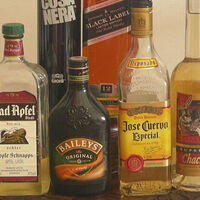
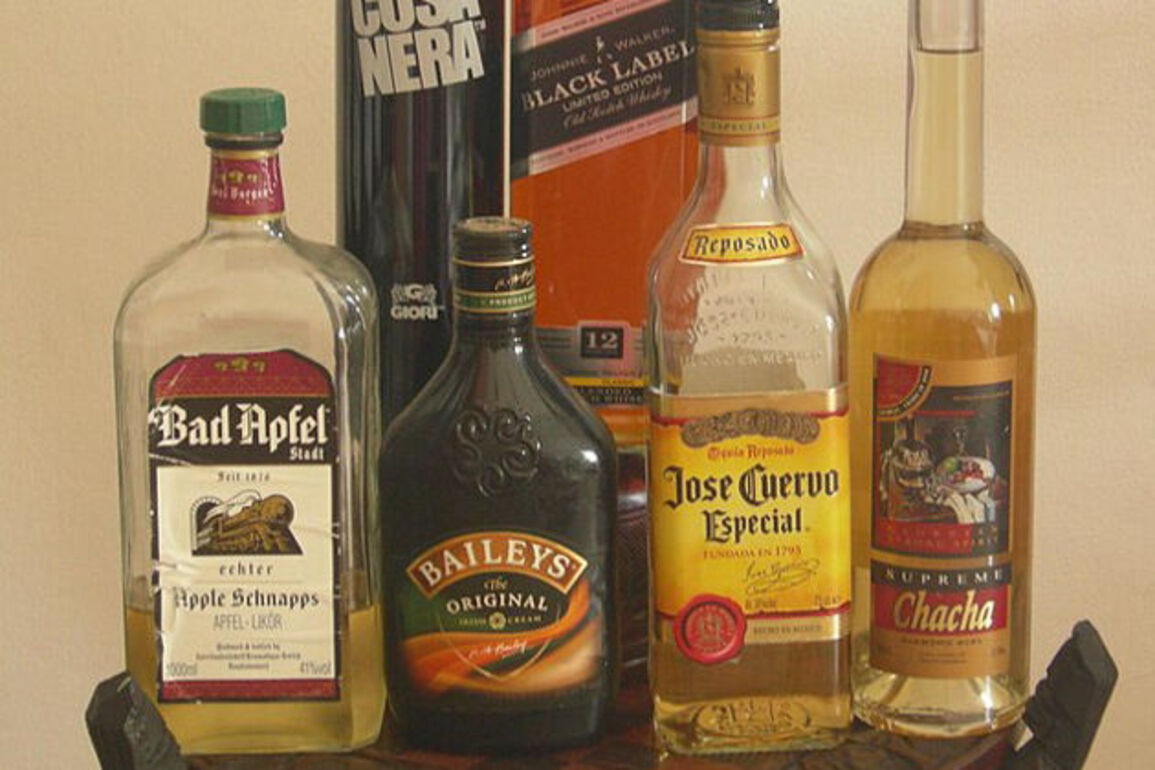
For now, however, Harris underlined that the drinks sector will remain at the forefront of Ireland's efforts in the ongoing talks. With Irish whiskey, stout, and cream liqueurs among the country's best-known exports, ensuring fairer terms for beverages in transatlantic trade will be closely watched by both industry stakeholders and policymakers.