

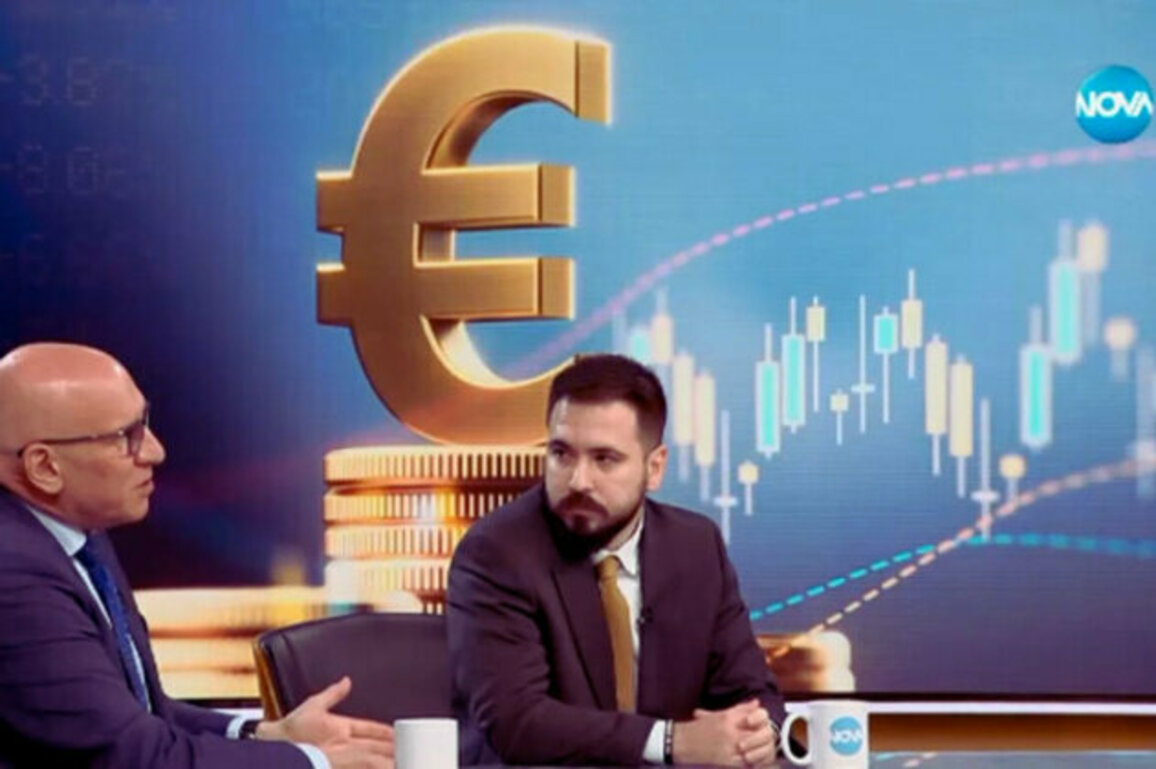
On Nova TV, economist Stoyan Panchev noted that one of the reasons prices went up in Croatia after adopting the euro was the administrative suppression of prices prior to the introduction of the currency. Once the European Central Bank's positive report was received, inflation there became more noticeable. Panchev is among the economists who believe that Bulgaria isn?t yet ready to adopt the euro from the start of 2026.
Levon Hampartzoumian, a financier who supports the introduction of the euro from early 2026, was also in the studio. He argued that price stability depends on market competition and proper oversight, not on state intervention. ?Every attempt at state administration of prices ends in disaster,? Hampartzoumian said. He also pointed out that, thanks to the season, the prices of tomatoes, cucumbers, and peppers would likely fall soon.
Panchev countered that he didn?t trust the data from the National Statistical Institute (NSI). Hampartzoumian, in turn, said that the Bulgarian administration wasn?t perfect, but he didn?t think it would be any different a year from now. He also said that because of the shadow economy, it remains unclear who exactly in Bulgaria is poor and needs help.
Despite his concerns, Panchev admitted that no country has become poorer after joining the eurozone, although Bulgaria would face some transitional challenges. Hampartzoumian added that adopting the euro doesn?t necessarily carry risks and that the Bulgarian National Bank (BNB) and the Finance Ministry are prepared to handle the process. He concluded that there are internal issues Bulgaria needs to resolve on its own and that the example of Slovakia - where the euro didn?t stop Fico from returning to power - shows that broader political factors can also play a role.