

(CN) - For four decades, wind, sun and biomass have been the focal point of Denmark's energy production strategy toward an affordable, clean and sustainable future.
Parliament passed a law in 1985, a year before the infamous Chernobyl disaster in Soviet Ukraine, hindering the Scandinavian nation and local companies from developing nuclear power on Danish soil, and even cripples universities from conducting firsthand research on the topic.
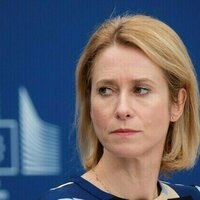
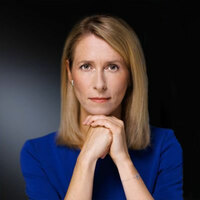
In what could be a pivotal shift, Denmark's Prime Minister Mette Frederiksen has signaled she's open to revisiting the ban on producing nuclear power.
"We need to look at nuclear power with open eyes. It is better that we have nuclear power in Europe than that we are dependent on Russian gas," said Frederiksen at question hour in the Danish parliament this week. She said Denmark should still continue placing faith in wind energy.
Just a week before, Minister of Defense Troels Lund Poulsen publicly announced his support for opening the country to nuclear energy. The government's third leg, the Moderates, also announced its support to scrap the prohibition.
"Outdated fears should not dictate our energy policy. In 1985 - when I was 9 years old - a majority of the Danish Parliament passed a ban on nuclear power. It makes no sense. The time has come to remove that ban," Poulsen wrote on X.
The Technical University of Denmark, DTU, has long called for strengthening research on nuclear energy. The university opened a multidisciplinary research center focusing on nuclear energy technology in 2024.
"It's overall damningly good," said Bent Lauritzen, head of the center at DTU, when asked about the prospect of ending the ban. "For many years, I have argued that this is an important technology, and the ban sets limits to our research."
According to Lauritzen, ditching the ban will set Danish innovation free and let researchers assess whether nuclear energy can help the country's ambitions to reduce carbon emissions.
Around 10% of the electricity in Danish households stems from nuclear power plants around Europe. The energy source is a reliable substitute on days when wind and sun are absent.
This model has worked for Denmark so far, but with Russia's invasion of Ukraine and U.S. President Donald Trump's diffident stance toward NATO, officials are stepping up efforts at self-sufficiency.
"Denmark's electricity import depends on its neighbors' willingness to export it when it is needed. That can become problematic," Lauritzen said.
Outside of parliament's walls, people's attitudes toward nuclear energy have also changed. A 2025 opinion poll by Megafon, commissioned by pro-nuclear energy company Krnfull Energi shows that a majority of Danes support the production of nuclear power on Danish soil.
About 55% of the total 1004 respondents said they would vote for nuclear power plants, while 27% said no. The remaining 18% were undecided.
In an X post Thursday, Troels Ranis, vice director at Danish Industries, Denmark's biggest union for private businesses and employers, called the debate "a sign of good health in the democratic culture of Denmark."
Debatten om atomkraft er i gang!
- Troels Ranis (@troelsranis) May 8, 2025
Det er et sundt tegn i den demokratiske kultur i Der skal nemlig vre plads til diskussion, forskellige synspunkter!
I @DanskIndustri hilser vi debatten om atomkraft velkommen! pic.twitter.com/xTeLsTroUB
In late April, Novo Holdings, a foundation that owning the majority shares of Danish Wegovy pharmaceutical producer Novo Nordisk, said it is preparing to invest in nuclear production technology, even if the portfolio would shrink for a certain number of years. Nuclear energy is vital to combat climate change, it said.
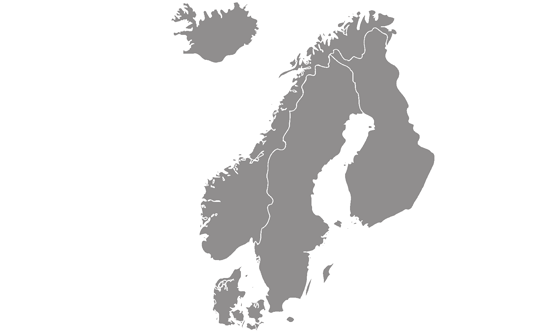
Neighboring Sweden has three nuclear facilities and continues to develop the sector, opening a nuclear waste shelter earlier this year.
Similar to Denmark, attitudes toward nuclear energy have shifted.
For both Scandinavian nations, implementing nuclear power production is not a question of replacing wind and solar power, but rather a supplement to counter uncertain times and securing a greener future.
"We must have everything in play," Lauritzen said. "Wind, sun and nuclear power."
Source: Courthouse News Service