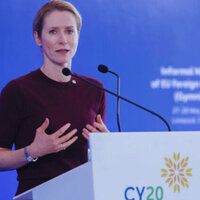


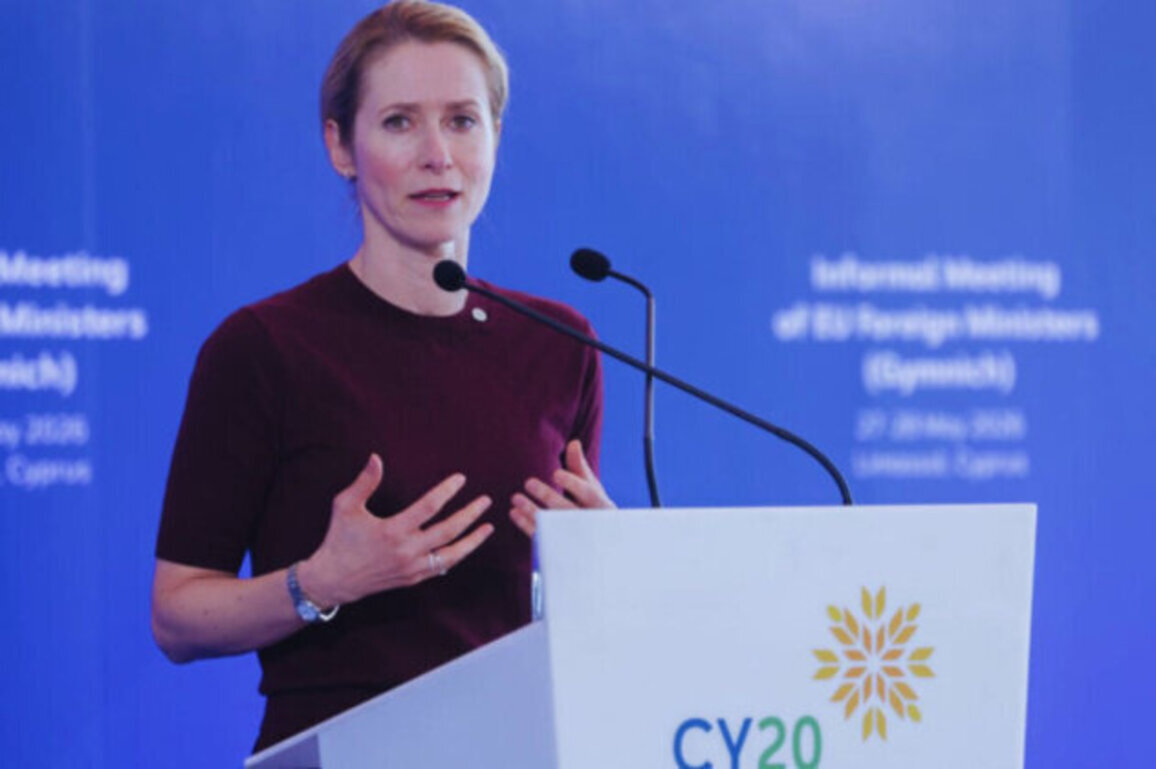
The European Union will not act as a neutral broker between Ukraine and Russia and has no intention of replacing the United States in any future peace framework, EU foreign policy chief Kaja Kallas said, as debate continues over whether the bloc should appoint a special envoy for potential talks with Moscow.
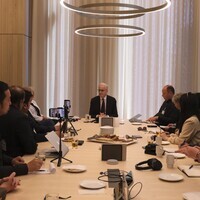
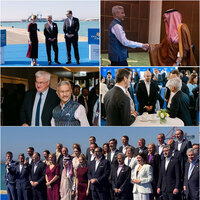
The issue was discussed at an informal meeting of EU foreign ministers on Thursday in Lemesos, Cyprus, where the idea of a dedicated envoy became one of the most contested topics on the agenda. The discussion has triggered speculation about possible candidates, but also exposed divisions among member states.
Kallas rejected the idea of neutrality in the conflict. ?One thing is very clear: Europe will never be a neutral mediator between Russia and Ukraine, because we are on Ukraine's side and we are defending our own security interests,? she said after the meeting.
She added that the EU's role cannot be framed as equal distance between the two sides, arguing that Ukraine requires European backing to strengthen its position in any negotiations. ?We can?t be neutral, treating them equally, because we have been clearly on Ukraine's side,? she said.
At the same time, Kallas stressed that the EU does not intend to take over mediation efforts from Washington. She said European actions would remain complementary to US diplomacy, not a replacement for it, noting that coordination with American efforts remains essential.
?All our efforts have to be complementary to US efforts. And the ministers were also very clear about this,? she explained. ?We are not coming in instead of the United States, but we are actually addressing the issues that they haven?t been addressing in these talks.?
Kyiv, meanwhile, has pushed for a more active European role, but not necessarily through the appointment of a single envoy. Ukrainian Foreign Minister Andrii Sybiha argued that priorities should focus on practical measures such as nuclear safety arrangements at the Zaporizhzhia plant and humanitarian corridors, rather than personnel decisions. ?We do not need to start by choosing a person or a group to lead the effort,? he said. ?We need to clarify the mandate, and it must represent one united European voice.?
The EU discussion comes amid signs of possible movement in US-led diplomatic efforts. US Secretary of State Marco Rubio said Washington remains prepared to support efforts to end the war if conditions allow talks to resume.
Attention also turned to the broader concept of a special EU envoy for Russia contacts, an idea that has circulated among diplomats and policymakers. Names floated in discussions have included Finnish President Alexander Stubb, European Council President Antnio Costa, and former leaders such as Mario Draghi and Angela Merkel.
However, Kallas signaled a shift away from focusing on individuals, instead emphasizing the need for a unified European position defining limits, demands, and red lines for any future settlement. These, she said, should include non-recognition of occupied territories, an end to sabotage and cyberattacks, withdrawal from Georgia and Moldova, return of deported Ukrainian children, release of journalists, reparations, and restrictions on Russia's military capabilities.
The High Representative has compiled these proposals in a confidential document under review by member states since February, though consensus among all 27 EU countries remains uncertain.
The debate unfolded against the backdrop of continued Russian strikes on Ukrainian cities, including a recent large-scale attack on Kyiv that damaged residential areas, infrastructure, and cultural sites such as the Chornobyl Museum. The Kremlin later warned foreign citizens and diplomats to leave the Ukrainian capital, prompting protests from EU governments.
Kallas said recent developments show both pressure and resistance in the conflict. ?The dynamics of the war are shifting in Ukraine's favour. Russia is on the back foot militarily, economically but also diplomatically,? she said. ?But as the latest strikes on Kyiv have shown, Russia still shows no genuine interest in peace.?
She also warned that threats against foreign diplomats amount to serious violations of international law, underscoring the EU's position that Russia's actions continue to undermine any prospects for neutral mediation.