

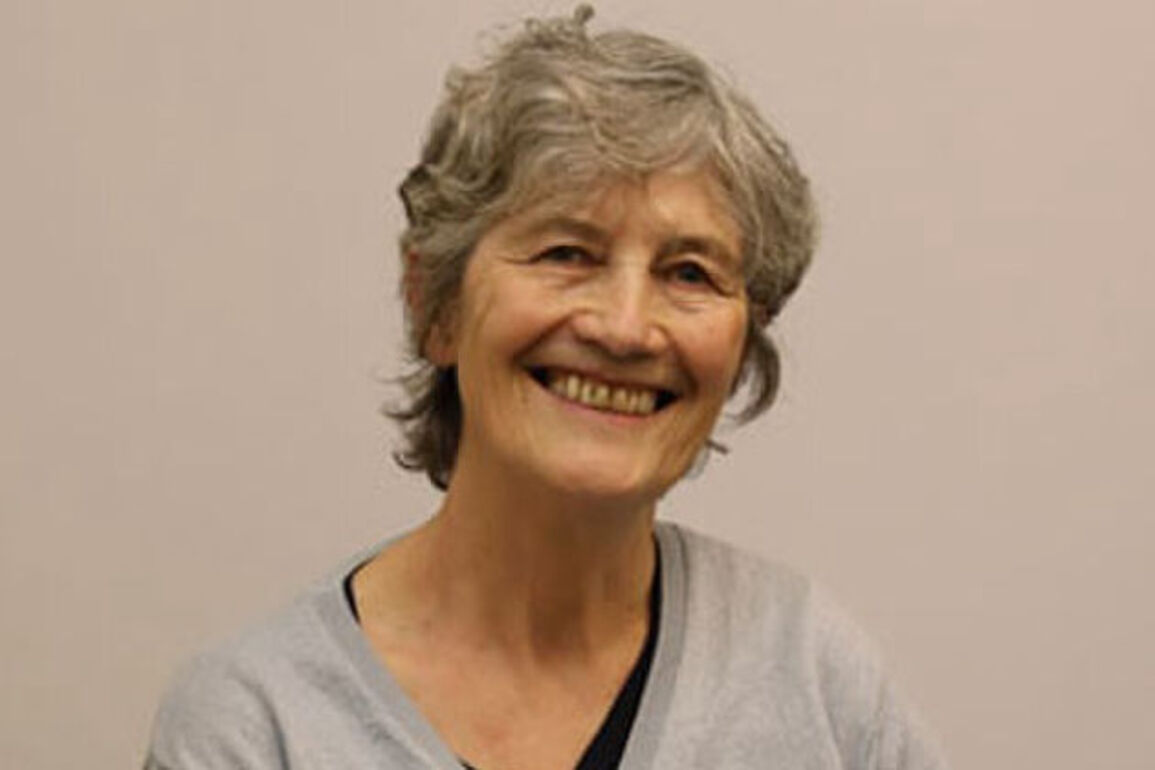
DUBLIN, Ireland: Catherine Connolly made history by becoming Ireland's 10th president, winning 63.3 percent of the vote — the highest share ever in an Irish presidential election. The previous record was held by Eamon De Valera, who won just over 56 percent.
Connolly received 914,000 first-preference votes, while her closest rival, Heather Humphreys, got 424,000.
Speaking at Dublin Castle after her victory, Connolly said: "I will be a president who listens and reflects, and who speaks when it's necessary. I will be a voice for peace, for neutrality, and for action on climate change — and a voice that celebrates the work being done all across our country."
Connolly's success came with the strong backing of Sinn Féin, the Social Democrats, the Labor Party, the Greens, and People Before Profit. Leaders from these left-wing parties regularly appeared with her during the campaign, showing an unusual level of cooperation among them.
Political analysts say this unity helped her win, but they warn it will be much harder to maintain if the parties try to form a joint platform for a future general election.
After Connolly's landslide win, Paul Murphy of People Before Profit said the result proved that "when the left unites, we can win."
However, divisions soon appeared. Labor leader Ivana Bacik declined to discuss a possible coalition with Sinn Féin during an RTÉ radio interview. Meanwhile, Sinn Féin leader Mary Lou McDonald, who could become taoiseach if a left-wing government is formed, congratulated Connolly but refused to back a shared candidate in the Galway West by-election — the seat Connolly is vacating. Sinn Féin confirmed it would run its own candidate.
Another surprise from the election was the record number of spoiled votes — 213,738, or about 13 percent of all ballots. Officials are still trying to understand why so many votes were invalid.
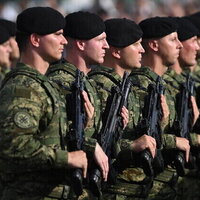
In other news, Fianna Fáil MEP Barry Andrews said Irish peacekeepers could play a key role in a possible Gaza stabilization mission, thanks to their strong reputation and long experience in the Middle East. Around 300 Irish Defense Forces members are currently serving in southern Lebanon with the UN peacekeeping mission UNIFIL, which is set to end in 2027.
Andrews said Ireland's early recognition of Palestine and consistent support for UNRWA give it strong credibility in the region.
Meanwhile, the fragile Gaza peace deal, brokered by U.S. President Donald Trump's administration, remains in place — though reports suggest Israel has violated parts of the agreement several times.