

Esports no longer sit on the edge of the entertainment world. Huge arenas fill with fans watching their favourite line-ups, and thousands more tune in online.
Europe has become one of the busiest hubs for competitive gaming. It's hard to imagine the modern scene without the teams and developers here. The region has long had a relationship with traditional sports. The new high-tech options have also found a niche in many European countries.
Betting and the Professional Scene
Esports now brings a professional network that pulls in sponsors and content creators. There are also betting markets. These additional layers help to create a bigger pro scene.
Fans follow matches in real time, sometimes making predictions on outcomes the same way they might for football or tennis. That extra layer of attention has helped events grow. This has also added atmosphere around tournaments.
Major betting platforms now feature markets for games such as Valorant and League of Legends. The presence of these options signals how seriously competitive gaming is treated. provides a number of markets on the top esports. There are many people accessing odds on both individual fixtures and whole tournaments.
Some of the esports audiences study player form and map rotations before deciding where to place support. It mirrors the approach long used in traditional sports and gives another angle to the way fans engage.
Tournaments on European Soil
Europe hosts some of the most prestigious esports competitions each year. Venues in many parts of Europe have staged grand finals watched by global audiences. Counter-Strike in particular has deep roots on the continent. Iconic or BLAST Premier stops in major cities have cemented Europe as a home ground for tactical shooters.
League of Legends also thrives here. The League of Legends EMEA Championship (LEC) brings together the best squads from across the world. Studio crowds in Berlin cheer every draft and duel.
Riot Games (makers of Valorant) built a European circuit that produces line-ups capable of challenging the dominant North American teams. Even smaller titles find space in local conventions or university leagues. It goes to show how broad the competitive field has become. Valorant is a lively scene and the game gets regular updates and tweaks for players.
Players Who Shaped the Scene
Many of esports? most recognisable names hail from European countries. Nordic Counter-Strike stars and British sharpshooters have filled highlight reels for over a decade.
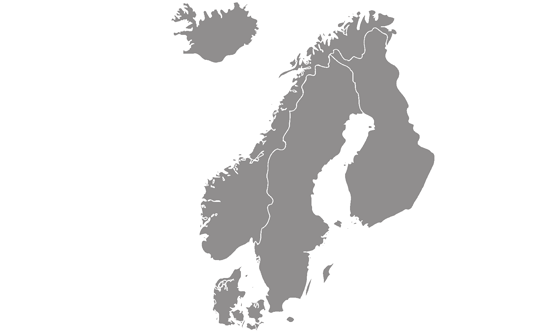
There are a few different hotspots around the world where esports have really become popular. There are plenty of players from this region. Northern Europe has proven to be a hotspot. There are likely to be more players cropping up all over Europe.
The industry works like many other sports now. Positions and production experts also contribute heavily. A lot of people who are done playing esports move into coaching and analysis. Teams are being created behind the scenes ? just like the way you see all those people on the bench for a soccer team.
European production studios supply polished broadcasts with clear graphics and expert commentary. They can help to raise the standard for how esports is presented worldwide. Tournaments would lack the structure and storytelling fans expect if we didn?t have these people working in esports.
Development and Infrastructure
Europe isn?t just strong on the competition floor?it shapes how events are run. Production companies in places like Scandinavia craft stage designs and online platforms that give esports its professional sheen. Training facilities funded by clubs or private investors allow teams to prepare like athletes. Boot camps are also becoming more popular.
Lots of game publishers maintain European offices that coordinate regional tournaments and community programs. This structure gives local players opportunities to climb competitive ladders without crossing oceans, helping talent emerge from a wider range of countries. G2 Esports is based in Europe ? this goes to show that there are some very .
Europe's role isn?t limited to hosting and competing. Developers and engineers have helped build the tools that run esports smoothly.
Community and Culture
Europe's grassroots networks keep esports vibrant. Every area of Europe has its own preference. Some areas show their . Soccer is huge pretty much everywhere?
In esports, there are also regional differences. Community LANs and leagues crop up in different parts of the continent.
There are meetup spaces and specific esports clubs that offer a social base for newcomers. Online, European servers connect millions of players nightly, keeping skills sharp and friendships alive.
Gaming is huge all over the world. Europe has many different traditions when it comes to games, but lots of esports have their own unique place. Many streams are in multiple languages, reflecting the continent's variety. This constant flow of material keeps fans connected even between big events.
Esports have been growing in audience for many years now. It seems like many are likely to continue growing in popularity.