

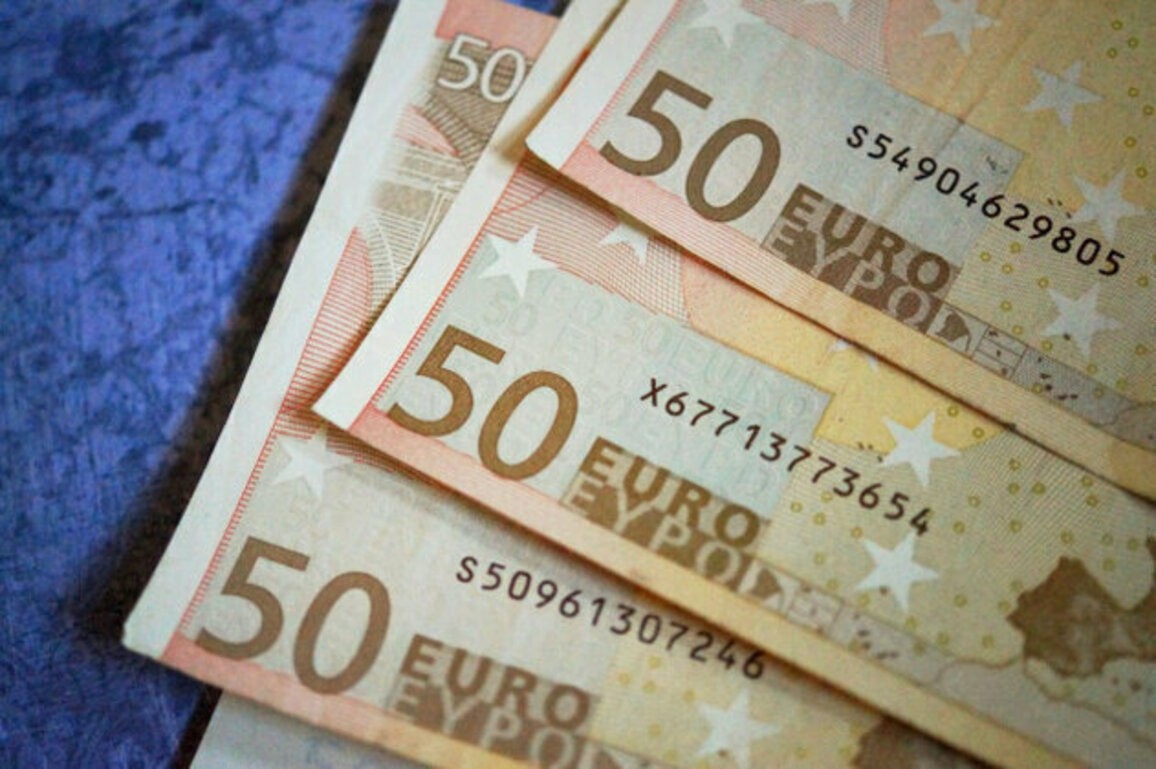
Euro banknotes stand as a powerful symbol of European unity, with over 29 billion notes circulating across the continent, collectively worth more than ?1.5 trillion. This vast amount of cash serves not only as a practical means of payment but also as a reliable store of value, according to the European Central Bank (ECB).
Producing euro banknotes is a highly controlled process, adhering to rigorous standards of security, quality, and environmental responsibility. To ensure safety in production and minimal ecological impact, internationally recognized management systems are strictly followed.
Sustainability is at the core of euro banknote manufacturing. Producers and suppliers must comply with environmental standards, notably through an Environmental Management System aligned with ISO 14001, which guarantees sustainable production practices. Since the euro's inception, environmental effects have been closely monitored and new eco-friendly initiatives have been regularly adopted. For example, a 2004 life cycle assessment of the first euro series prompted measures like using 100% sustainable cotton and prohibiting landfill disposal of banknote waste. The subsequent "Europa" series underwent fresh evaluations using the European Commission's Product Environmental Footprint (PEF) framework, confirming that euro banknotes have a very low environmental impact compared to many daily activities.
Efforts extend beyond the banknotes themselves, as ATM manufacturers work to reduce their machines' energy consumption, achieving significant improvements over the past decade and a half.
Health and safety considerations are equally prioritized, protecting both workers and consumers during production. This is ensured through a health and safety management system compliant with ISO 45001. The ECB regularly monitors the chemical substances involved in banknote production to confirm they remain well below harmful levels and comply with strict European regulations.
Given that banknotes pass through countless hands, concerns about germs are natural. However, independent research shows that euro banknotes do not carry a higher health risk than common objects like door handles. This was further confirmed during the early days of the COVID-19 pandemic, when studies found euro banknotes did not significantly contribute to virus transmission.
When it comes to environmental impact, the Product Environmental Footprint assessment reveals that the yearly use of euro banknotes by an individual corresponds to roughly the same environmental effect as driving a car for eight kilometres - a relatively small footprint considering their essential role in everyday life.