

Europe faced its most widespread flooding last year since 2013, as fossil fuel-driven climate change continued toprompttorrential rain and other extreme weather, the European State of the Climate report has found.
At least 335 people died and over 410,000 were impacted by floods in Europe in 2024, the European Union's Copernicus Climate Change Service (C3S) and the World Meteorological Organization (WMO) said in ajoint reportpublished Tuesday.
Western Europe was hit hardest, with 2024 ranking among the region's ten wettest years in records going back to 1950. Storms and flooding are Europe's costliest weatherextremes, with damage caused last year exceeding 18 billion euros.
Nearly a third of Europe's overall river network exceeded a "high" flood threshold, while 12 percent breached "severe" flood levels in 2024, the scientists found.
Devastating floods in Valenciain late October accounted for most of the lives lost and economic damage, with 232 people killed in the disaster.
Storm Borisin September dumped the heaviest rainever recorded in Central Europe onto countries such as Austria, Czechia, Germany and Slovakia.
France also experienced some of its worst flooding in three decades.
France declares natural disaster zones for nearly 400 towns flooded in October
Warmest year
Last year was the hottest year on record for Europe, with record-high annual temperatures in almost half of the continent. The planet is now around 1.3C warmer than in pre-industrial times, mainly due to human-causedclimate change, the scientists reported.
"Every additional fraction of a degree of temperature rise matters because it accentuates the risks to our lives, to economies and to the planet," said WMO Secretary-General Celeste Saulo.
Scientists have confirmedclimate change has made such downpoursmore likely, because a hotter atmosphere can hold more water, leading to intense rain. Atmospheric water vapour reached a record high in 2024.
Other factors that influencefloodinginclude river management and urban planning that determines whether homes and infrastructure are built in flood-prone areas.
Why climate change is heating Europe faster than the rest of the world
The report highlighted anunusual contrastbetween western and eastern Europe the west tending to be wet and dull and the east warm and sunny.
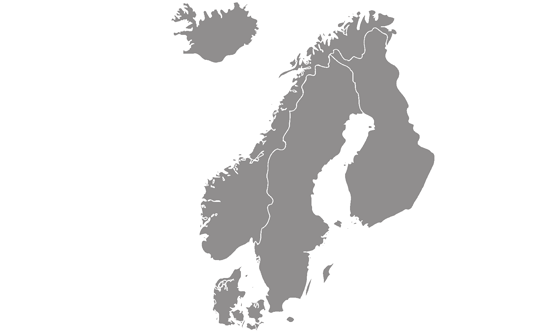
Southeastern Europe had its longest heat wave on record, totalling 13 days, Scandinavia saw unprecedented glacier melt, and much of Eastern Europe was hit by lack of rain anddrought.
Earlier this month, a group of people in Francetook legal stepsagainst the government for failing to protect the population from the effects of climate change the first case of its kind in the EU.
The Copernicus report did however highlight some positive developmentsrenewable energysources accounted for a record 45 percent of Europe's energy in 2024, and most European cities have plans in place to better adapt to climate change.
(with newswires)
Originally published on RFI